Spotify just left the phone and sat down in the seatback, turning a United Airlines screen into a logged-in listening booth at 35,000 feet.
On November 5, 2026, United and Spotify announced that passengers on Starlink-equipped United flights can log into their personal Spotify accounts on seatback screens. United says it is the first airline to allow that, letting travelers pick up music, podcasts, audiobooks and video from their own libraries mid-flight.
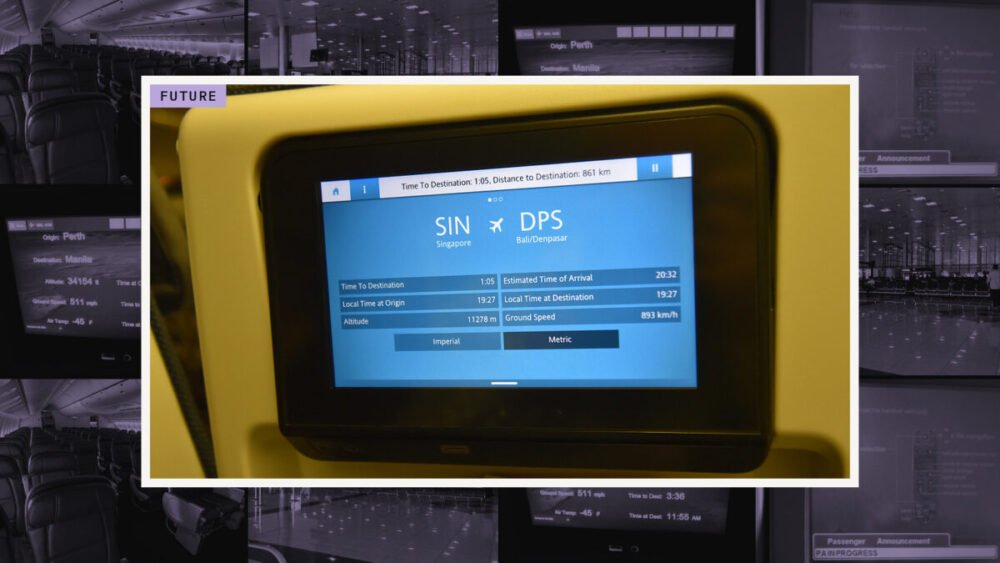
The mechanics are deliberately phone-first. According to Spotify’s newsroom, customers connect to the United WiFi network (no WiFi pass or MileagePlus sign-in required for the seatback Spotify app), tap the Spotify tile, scan a QR code, and confirm pairing on their phone.
Login credentials are never typed on the seatback, and the account auto-logs out at the end of the flight. Both Free and Premium listeners can use it, with playback options and features varying by plan and market.
That Free versus Premium gap matters aloft as much as it does on the ground: the same catalog, different levers.
United’s Chief Commercial Officer Andrew Nocella framed the move as continuity of taste, saying in the airline’s release that customers are “used to streaming entertainment that’s tailored to them, and that level of personalization shouldn’t stop when they board one of our planes.”
Spotify’s VP of Business Development Ian Geller called bringing personal accounts to United seatbacks “a major milestone,” promising recommendations, saved libraries and favorites on “a big screen at 35,000 feet.”
Comfort listening at cruising altitude is an obvious win. Nobody wants to burn phone battery on a six-hour haul when a bigger screen is already bolted to the seat ahead.
The deeper story is infrastructure. Streaming is no longer just an app rivalry for who wins the living-room playlist war; it is wiring itself into airports, cars and now cabin entertainment.
The Verge notes United built a custom native Spotify app for seatbacks, powered by Starlink Wi-Fi, and is eyeing other third-party streaming partners on the same blueprint.
United says the rollout is live on Starlink-equipped aircraft now and will expand through 2027, reaching half the fleet by next spring. Starlink already covers more than half of United’s daily flights, with fleetwide installation expected by the end of 2027.
The airline currently offers more than 181,000 seatback screens and expects more than 219,000 by then, according to its November 5 release.
This is not United’s first Spotify experiment. A curated Spotify channel landed on seatbacks in June 2025 with more than 450 hours of audiobooks, video podcasts and playlists.
United claims more than 2.3 million customers have since logged more than 1.9 million hours of that content onboard. Personal accounts are the logical next step: less curation, more of whatever you already left mid-episode.
That is also where the listener questions start. Mid-flight discovery used to mean a stranger’s playlist or a cabin-curated channel.
Personal login means the same algorithmic Home feed you see on the sofa, just higher up. Comfort scales. Surprise may not.
For artists, a seatback is another surface where streams accumulate without a new stage, festival or radio add. Spotify gets ubiquity; United gets a living-room pitch. Passengers get their podcast back.
The trade is quiet, and it is already boarding. The plane used to be one of the last places your listening identity paused. That pause is over.